2 min read
Why Paper Chore Charts Fail and What Works Instead
Paper chore charts start strong and fade within weeks. Here’s why — and how effort-based, gamified chore tracking keeps everyone helping.
Quick answer
Paper charts fade because someone has to redraw them every time life changes, two ticks look equal even when the effort isn’t, and a parent still does all the reminding. An app that weights chores by effort, rotates them and sends the reminders keeps the system going.
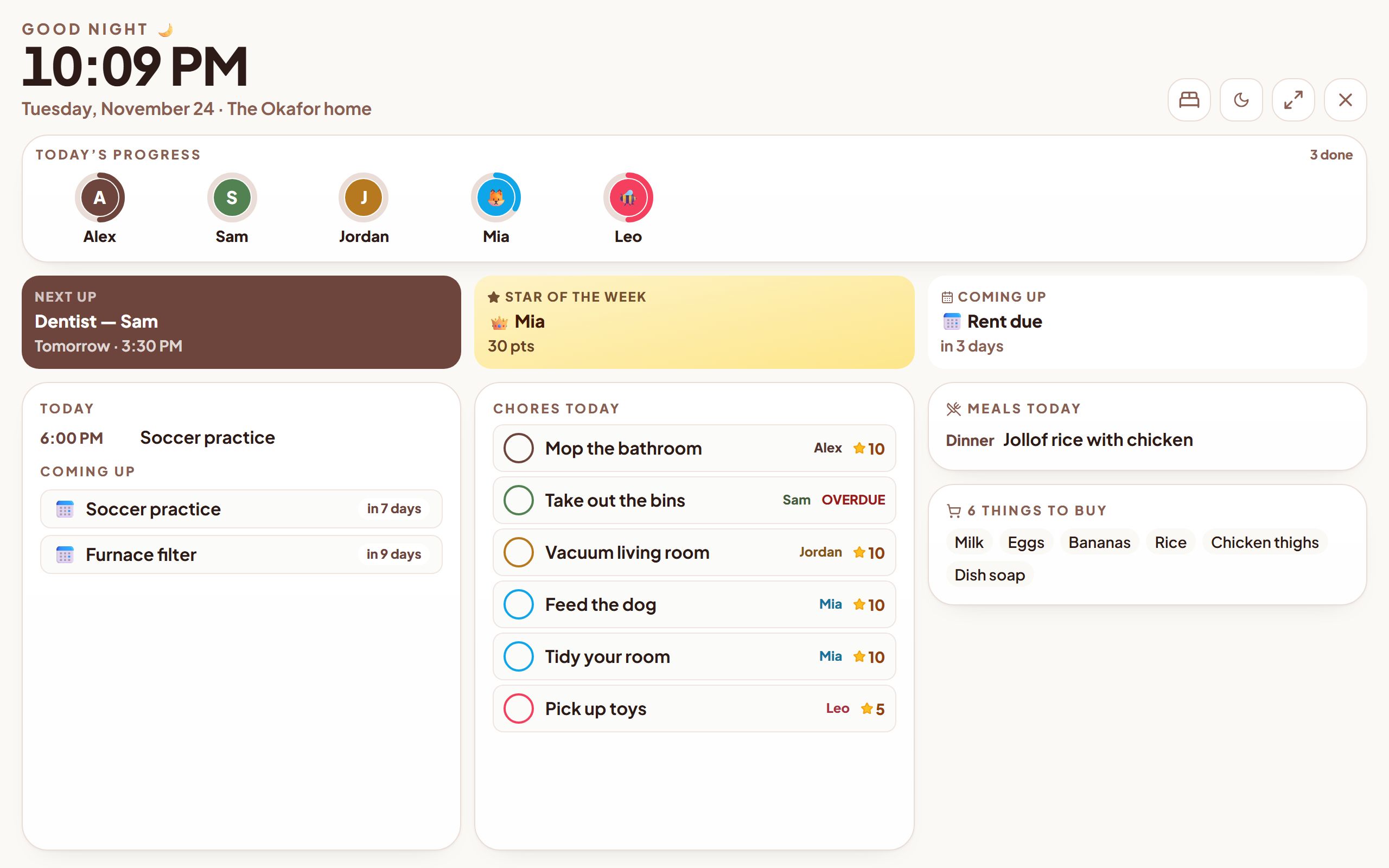

Almost every household tries a chore chart on the fridge. The first week goes well: stickers, ticks, a proud kid. By week three it’s half-filled, out of date, and somebody is back to reminding everyone. The chart didn’t fail because your family is lazy — it failed because paper can’t do the parts that keep a system going.
1. Nobody updates it
A paper chart only knows what someone writes on it. When a chore changes, a week is skipped or a new roommate moves in, someone has to redraw it — usually the same person who was already doing the most.
2. It counts tasks, not effort
Two ticks look equal on paper, even if one was feeding the cat and the other was scrubbing the shower. When effort is invisible, the person doing the heavy jobs feels cheated and the chart becomes a source of arguments instead of ending them.
3. It can’t remind anyone
The chart sits in the kitchen; the people who need reminding are at school, at work or in their room. So a parent or housemate becomes the reminder — exactly the nagging the chart was meant to replace.
4. The reward wears off
Stickers are exciting for a week. Without something building over time — a streak, a level, something to save up for — kids lose interest, and adults never had a reason to care in the first place.
What works instead
- Weigh chores by effort. Count minutes and difficulty, not ticks, so a deep clean balances several small jobs.
- Rotate automatically. Let the next chore go to whoever has done the least, so nobody has to redraw the rota.
- Remind on phones. A reminder from an app isn’t nagging — and nobody has to be the bad guy.
- Make progress visible. Points, streaks and rewards for kids; a fairness score for the adults.
Harmony does all four for free: effort-weighted rotation, phone reminders, a live fairness score, and a kid mode with points, streaks, levels and a reward store you approve. Want to see your current split first? Try the fair chore split calculator.
Put this into practice with Harmony
Fair chore rotation, a shared grocery list, and meal planning — free to start, set up in under a minute.
Get started free